
Auto Job Applier Tools Compared: Which Auto-Apply Tool Actually Works?

Sarah Mitchell
December 6, 2025
Tired of endless job applications? Auto job applier tools promise to save time by automating the process. But do they actually work? Here's the short answer: Most tools prioritize quantity over quality, sending generic applications that recruiters and ATS systems often reject.
The standout? scale.jobs. Instead of automation, it uses real human assistants to submit tailored, ATS-friendly applications. With a 93% success rate within three months and a refund policy for unused credits, it’s a quality-over-quantity approach that works better than AI-driven platforms like LazyApply, LoopCV, or Sonara.
Quick Takeaways:
- Automated tools (e.g., LazyApply, Sonara) submit high volumes but lack customization, often leading to poor results.
- scale.jobs focuses on manual, personalized applications, offering proof of submission and direct support via WhatsApp.
- Pricing: scale.jobs offers a one-time payment model ($199–$1,099), while others rely on recurring subscriptions ($29–$199/month).
For those seeking results, human-driven services like scale.jobs deliver better outcomes than automated tools.
Automate Your Job Search Using AI (Indeed, LinkedIn, ZipRecruiter)
1. scale.jobs
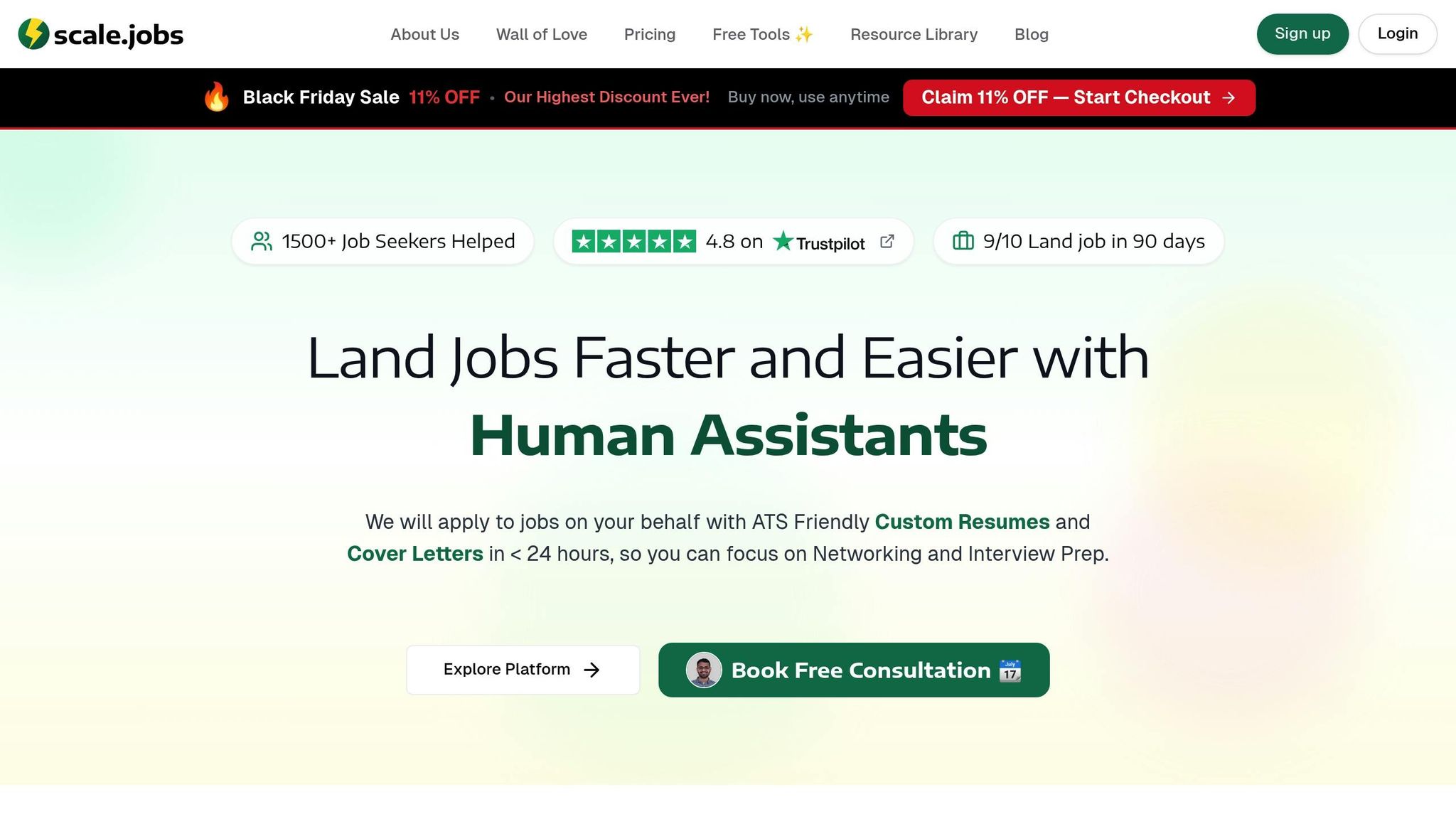
scale.jobs takes a refreshingly hands-on approach to job applications. Instead of relying on automation, real human assistants handle every application manually. Each submission includes a customized, ATS-optimized resume and cover letter. On top of that, you’ll have a dedicated WhatsApp line to communicate with your assistant, along with time-stamped proof-of-work screenshots showing when and where your applications were submitted. The service operates on a straightforward, one-time payment model - no recurring subscriptions required.
According to scale.jobs' website, the company firmly opposes AI-powered auto-apply tools, stating:
Recruiters instantly see through & reject sloppy AI auto-filled applications. We apply to jobs with REAL HUMANS, no generic AI applications.
This human-first approach avoids the common pitfalls of automated tools, such as applications being flagged by ATS systems or dismissed by recruiters who can easily spot generic, bot-driven submissions.
Let’s take a closer look at scale.jobs' effectiveness, user control, ATS optimization, and pricing to understand why it stands out from automated competitors.
Effectiveness
scale.jobs boasts impressive results: 9 out of 10 users secure a job within 90 days, and 93% find positions within three months. Their data reveals that 47% of placements come directly from scale.jobs applications, while the rest are achieved through personal networking and individual job search efforts. Interestingly, 70% of users receive refunds because they land their ideal job before using up their application credits.
The process is designed for quick turnaround - applications are typically submitted within 12–24 hours. After an initial onboarding call where you discuss your profile and career goals, you select jobs from their board or other sources. From there, your dedicated assistant handles the heavy lifting, tailoring each application to meet specific job requirements. This ensures your documents are not only keyword-optimized but also aligned with ATS filters, giving you a better shot at catching a recruiter’s eye.
By delegating the application process, users reportedly cut their job search time by 40%. This frees up valuable time for networking, preparing for interviews, and focusing on other strategic efforts.
Control and Risk
One of scale.jobs' standout features is the level of control it offers. Unlike fully automated tools that might flood employers with applications for roles you don’t care about, scale.jobs ensures that you approve every application before it’s submitted. This targeted approach reduces the risk of your name being associated with irrelevant positions.
To keep things transparent, you’ll receive time-stamped proof-of-work screenshots for every application, allowing you to track your progress and plan follow-ups effectively. Plus, the direct WhatsApp line to your assistant ensures you can quickly adjust your strategy as needed.
ATS Optimization
scale.jobs emphasizes a manual approach to optimizing resumes and cover letters for Applicant Tracking Systems (ATS). According to their website:
Yes, all our resumes are ATS-friendly and optimized to pass through Applicant Tracking Systems. We use industry best practices and keyword optimization to ensure your resume gets noticed by hiring managers.
Human assistants carefully analyze each job posting to identify key terms and requirements, crafting documents that reflect the employer’s language without resorting to bland, generic phrasing. Beyond applications, the service also includes resume building, LinkedIn profile optimization, and job search strategy planning during the onboarding process. This ensures your professional presence is polished and consistent before any applications are sent out.
Pricing and Value
scale.jobs keeps things simple with a one-time payment model - no subscriptions to worry about:
- Basic plan: $199 for 250 applications with one human assistant
- Standard plan: $299 for 500 applications with two assistants
- Advanced plan: $399 for 1,000 applications with two human assistants
- Ultimate Bundle: $1,099 for 1,000 applications, AI-customized resumes, access to a personal recruiter, resume review, and a LinkedIn makeover
All plans include access to a free software suite featuring tools like a job board with over 2 million monthly postings, a job application tracker, an ATS-compliant resume builder, an interview tracker, and AI tools for creating tailored resumes and cover letters (with daily limits on the free tier). For those who need more, the AI Assistant Pro upgrade is available at $9 per month during the launch offer (regularly $19/month) and removes daily limits on AI-generated documents.
The refund policy is another highlight. If you land a job before using all your application credits, you’ll receive 70% of your fee back. Compared to subscription-based services that could cost $250–$500 over five months without guaranteed results, scale.jobs offers a flat fee covering hundreds of carefully crafted applications, all backed by human oversight. This combination of quality, transparency, and affordability makes it a strong alternative to automated job application tools.
2. LazyApply

LazyApply is designed to automate job applications across platforms like Greenhouse, Dice, Indeed, and ZipRecruiter. Unlike scale.jobs, which relies on human expertise, LazyApply focuses entirely on automation. Using its Job GPT technology, the tool fills out application forms based on your profile details. While this approach can save time, it also raises concerns about effectiveness, control, and how recruiters view AI-generated applications.
Effectiveness
LazyApply boasts a 4.9/5 rating from over 10,000 users. Many users report saving significant time and applying to far more positions - up to 50–100 daily compared to 5–10 manually. However, this high-volume approach prioritizes quantity over quality. While the tool can submit hundreds of applications quickly, there's little evidence showing how many of these lead to interviews or offers. This stands in contrast to scale.jobs, which focuses on precision and personalization.
Control and Risk
One downside of LazyApply is the lack of control it offers users. Once you set up your profile and preferences, the Job GPT system takes over, submitting applications without requiring your approval. This means you can't review or edit individual submissions, which could lead to problems if the AI misinterprets job requirements or fills out forms inaccurately.
Recruiters are often quick to spot AI-generated applications, as noted by scale.jobs:
Recruiters instantly see through & reject sloppy AI auto-filled applications.
Additionally, LazyApply doesn’t provide time-stamped screenshots or detailed records of where applications are sent. This lack of transparency makes it harder to track your progress or follow up strategically.
ATS Optimization
LazyApply mentions a "Personalized Autofill" feature on its website, but it’s unclear whether this includes optimizing applications for Applicant Tracking Systems (ATS). The tool doesn’t appear to analyze job descriptions or tailor content with relevant keywords - an essential step in ensuring resumes pass ATS scans. While automation speeds up the process, it misses the job-specific customization that human-assisted services like scale.jobs offer.
Pricing and Value
LazyApply uses an annual subscription model with three tiers:
- Basic ($99/year): Up to 15 applications daily.
- Premium ($149/year): Up to 150 applications daily.
- Ultimate ($999/year): Up to 1,500 applications daily.
All plans come with a 30-day money-back guarantee. While the pricing may seem reasonable, the value is undercut by the tool’s lack of ATS optimization, limited control, and reliance on email-based support.
Why scale.jobs stands out:
- Personalized applications: Real assistants create tailored applications that recruiters see as authentic, not generic AI submissions.
- Full transparency: Time-stamped screenshots and detailed records let you track where and when applications are sent.
- ATS optimization: Resumes are customized for each job using strategic keyword placement and proven industry practices.
- Direct support: Instant assistance and strategy updates via WhatsApp instead of waiting for email replies.
- One-time payment: Avoids recurring fees, and you get a refund if you land a job before using all your credits - offering better long-term value than automation-driven services.
In today’s job market, quality often outweighs quantity. Human-assisted services provide the nuance and precision that automated tools like LazyApply lack. Next, we’ll explore how LoopCV compares to these options.
3. LoopCV
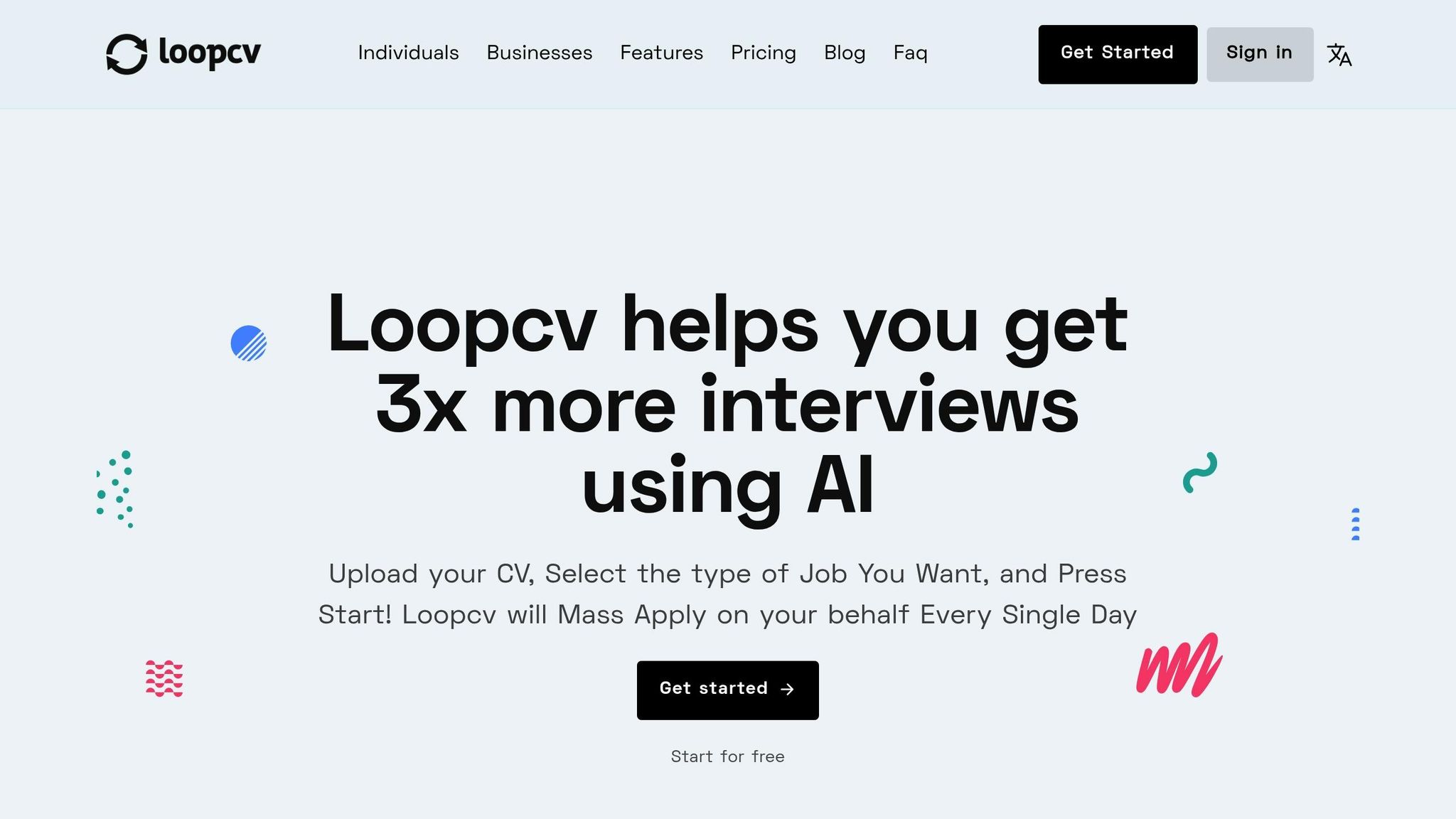
LoopCV offers an automated way to handle job applications, but it falls short when it comes to tailoring resumes for specific applicant tracking systems (ATS). While the platform provides general ATS-friendly resume formatting, it doesn’t address the unique requirements of individual job descriptions. This is where scale.jobs sets itself apart with its more personalized, human-driven approach.
Here’s how scale.jobs outshines LoopCV:
- Tailored ATS optimization: Real assistants create resumes specifically designed for each job, incorporating targeted keywords and role-specific formatting.
- Submission transparency: Time-stamped screenshots provide proof of each application submission.
- Direct communication: Get real-time updates and discuss strategies with your assistant via WhatsApp.
- No subscriptions: Pay once and avoid recurring fees, with refunds available for unused credits.
Up next, we’ll dive into how Sonara’s approach compares to scale.jobs.
4. Sonara
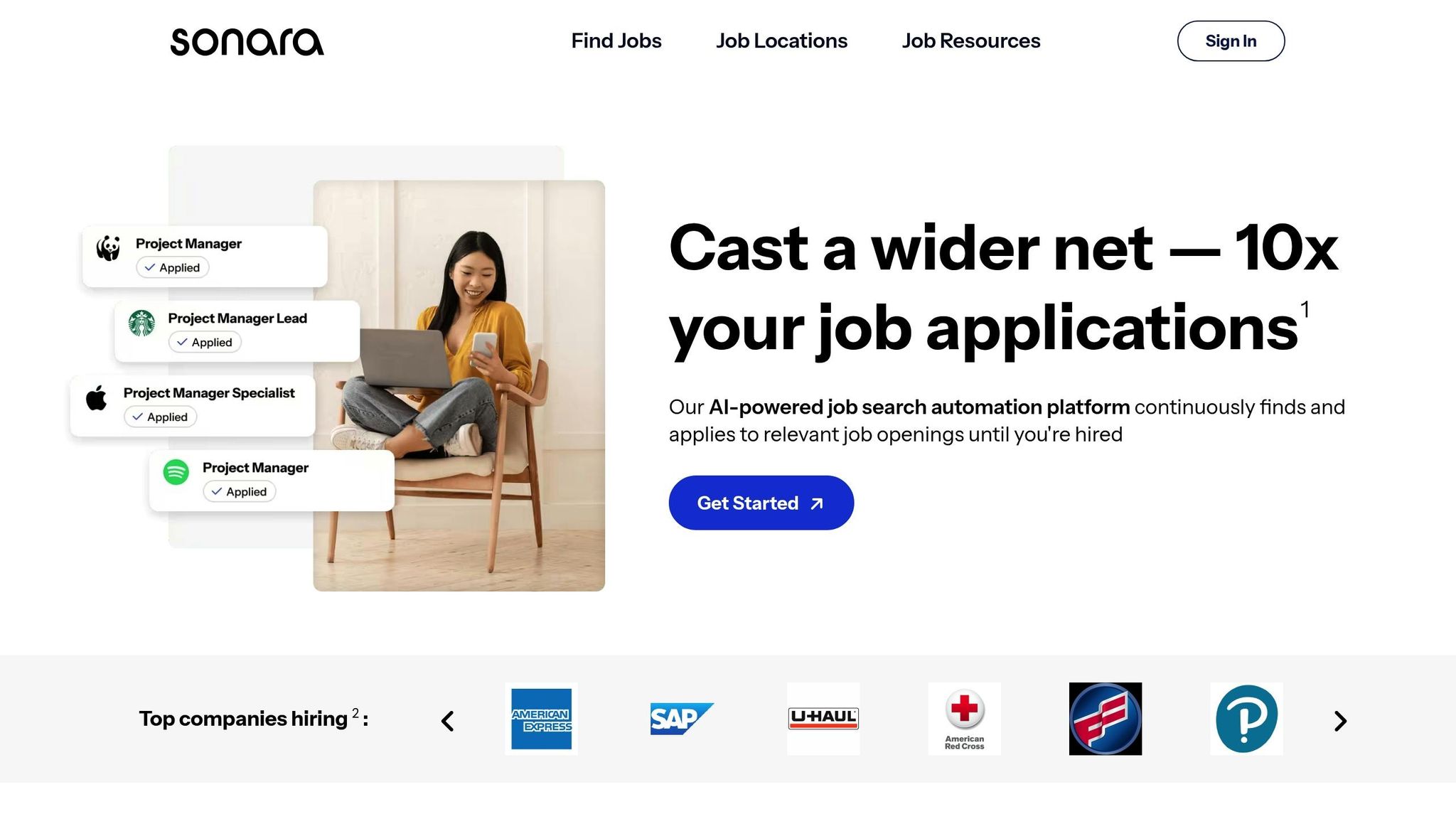
Sonara takes a fully automated approach to job applications, offering a stark contrast to scale.jobs' personalized, human-driven model. This AI-powered tool handles the entire application process, allowing users to focus on preparing for interviews. However, its automated nature means it lacks the tailored oversight needed to align applications with individual career goals.
Effectiveness
Sonara's strategy revolves around casting a wide net, automating numerous applications to boost exposure. While this can increase opportunities, it often sacrifices precision, potentially leading to applications that don't align with a candidate's specific aspirations. On the other hand, scale.jobs prioritizes quality over quantity, tailoring each application to meet the job's unique requirements, ensuring a more targeted and impactful approach.
Control and Transparency
One of Sonara's notable drawbacks is its limited transparency. Users often have little insight into where and how their resumes are being submitted. In contrast, scale.jobs offers a highly transparent process. Through WhatsApp, users can communicate directly with a dedicated assistant and receive time-stamped screenshots of every application. This level of detail keeps candidates informed and in control.
ATS Optimization
Sonara provides generic resume formatting designed to navigate applicant tracking systems (ATS). However, its one-size-fits-all approach often misses the mark on job-specific keywords and critical details. scale.jobs takes a more customized route, tailoring resumes to match the specific job description and company needs. This personalized optimization not only increases the chances of passing ATS filters but also ensures a more strategic use of resources.
Pricing and Value
Sonara operates on a subscription-based model, which can become costly over time. In contrast, scale.jobs offers a one-time payment structure that covers a set number of applications. This approach eliminates ongoing fees and includes refunds for any unused credits, aligning costs directly with the service's success.
Here's why scale.jobs stands out when compared to Sonara:
- Human-focused precision: Each application is carefully reviewed to match your qualifications and career goals.
- Full transparency: Time-stamped records ensure you’re always informed about every submission.
- Custom ATS optimization: Resumes are fine-tuned to meet specific job and company requirements.
- Real-time communication: Collaborate directly with an assistant via WhatsApp to refine your strategy.
- One-time payment structure: Say goodbye to recurring fees with a straightforward, single-payment model.
Next, we’ll take a closer look at how Simplify's platform measures up against these tailored, human-driven advantages.
5. Simplify
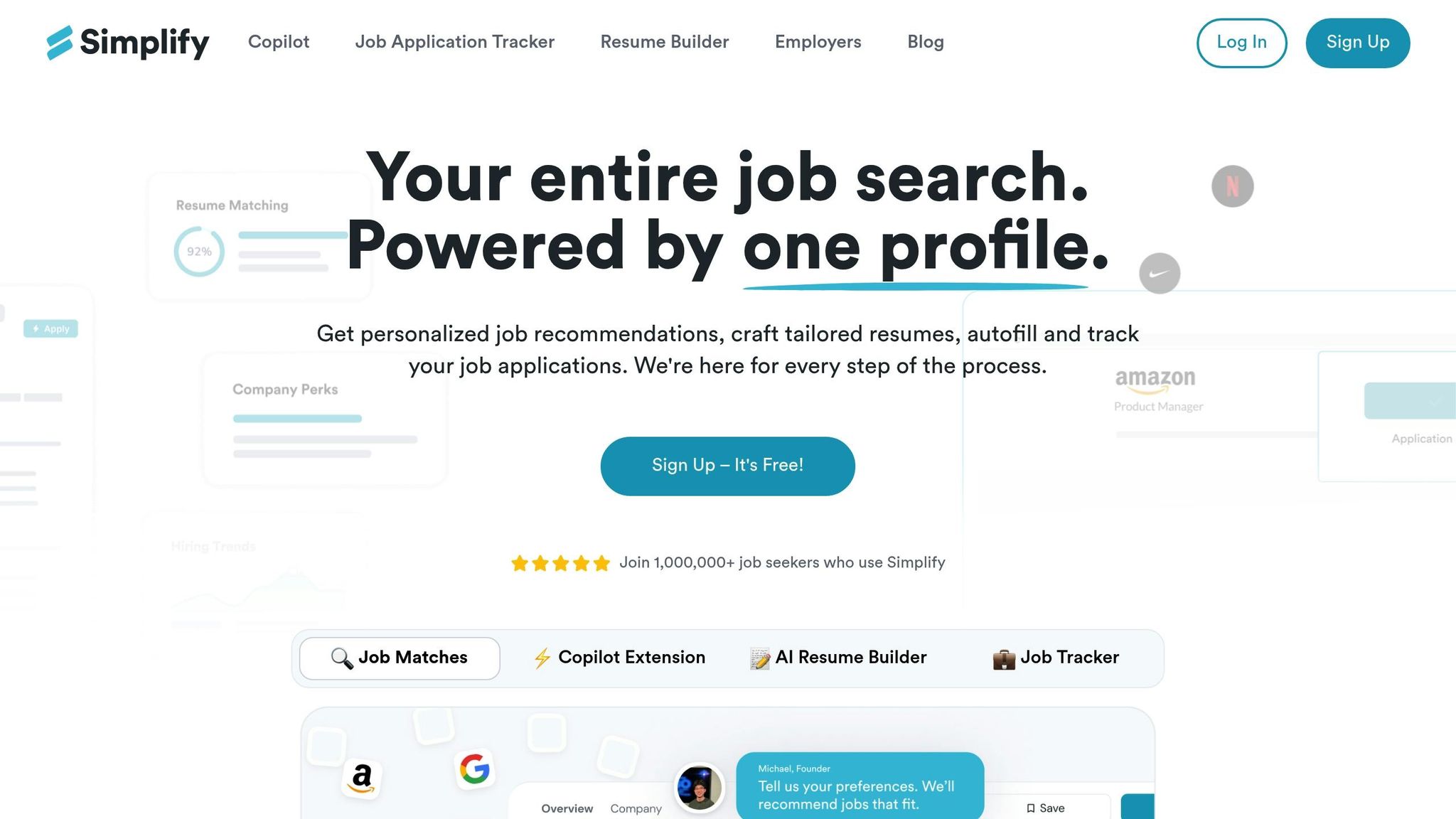
Simplify has attracted over a million job seekers with its free browser extension and AI-powered tools. By combining autofill features with resume optimization, it claims to boost candidates' callback rates by 25% compared to other platforms. While this automation is helpful for tackling high-volume applications, it lacks the personalized touch that sets scale.jobs apart. Automated systems like Simplify often trade precision for speed, whereas scale.jobs prioritizes quality, ensuring every application aligns closely with a candidate's career goals.
Effectiveness
Simplify shines when it comes to automating repetitive tasks. With over 200 million applications processed, its Copilot extension speeds up form-filling across multiple job boards. Additionally, the AI Resume Builder tailors resumes to specific job descriptions and provides an ATS (Applicant Tracking System) score to highlight optimization gaps.
However, while the 25% improved callback rate is appealing, it doesn’t necessarily translate to meaningful opportunities that align with a candidate’s long-term career goals. Simplify emphasizes quantity, while scale.jobs takes a more targeted approach. At scale.jobs, each application is reviewed by a human to ensure it’s a strong match for your skills and aspirations. This results in fewer applications but significantly increases the chances of landing relevant interviews.
Control and Risk
Simplify offers more control than fully automated tools like Sonara, allowing users to review applications before submission. Its job tracking features help organize the search process, and the browser extension flags missing keywords in real-time, giving users a chance to refine their applications.
That said, Simplify’s high-volume strategy comes with risks. When autofilling dozens of applications, it’s easy to overlook job-specific nuances or accidentally apply to roles that don’t align with your background. scale.jobs eliminates this issue entirely by providing dedicated WhatsApp support. A real assistant reviews every application before it’s sent, ensuring accuracy and relevance. They even provide time-stamped screenshots of each submission, so you know exactly where and how your resume was applied.
ATS Optimization
Simplify’s AI Resume Builder offers solid tools for ATS optimization. It analyzes job descriptions, identifies missing keywords, and provides an ATS score to help users refine their resumes. The Copilot extension also flags missing keywords during the application process, allowing candidates to make adjustments on the spot.
While Simplify’s AI focuses on keyword checks, scale.jobs takes a more tailored approach. A human assistant reviews each job posting, considers the company’s values and requirements, and adjusts your resume to make it resonate with both the ATS and hiring managers. This isn’t just about ticking boxes - it’s about showcasing your experience in a way that stands out.
Pricing and Value
One of Simplify’s biggest draws is its pricing. The base version, which includes unlimited job tracking and the autofill extension, is completely free. For those seeking additional AI features, Simplify+ offers a premium subscription, though pricing details aren’t prominently displayed on their website.
Simplify’s free tier makes it accessible, but scale.jobs offers a different kind of value. With a one-time payment model, you pay for a set number of applications, and any unused credits are refunded. This ensures you only pay for what you use, without the hassle of recurring fees.
Here’s why scale.jobs stands out compared to Simplify:
- Human expertise on every application: Real assistants optimize each submission, going beyond what AI can achieve.
- Proof of work: Time-stamped screenshots provide clear evidence of every application.
- Career-focused strategy: Applications are filtered to align with your career goals, not just keywords.
- Direct communication: Real-time adjustments via WhatsApp with your dedicated assistant.
- Flexible payment structure: Pay once for a set number of applications, with refunds for unused credits - no subscriptions required.
Next, we’ll dive into how Jobright’s AI-driven approach measures up against these human-centered advantages.
6. Jobright
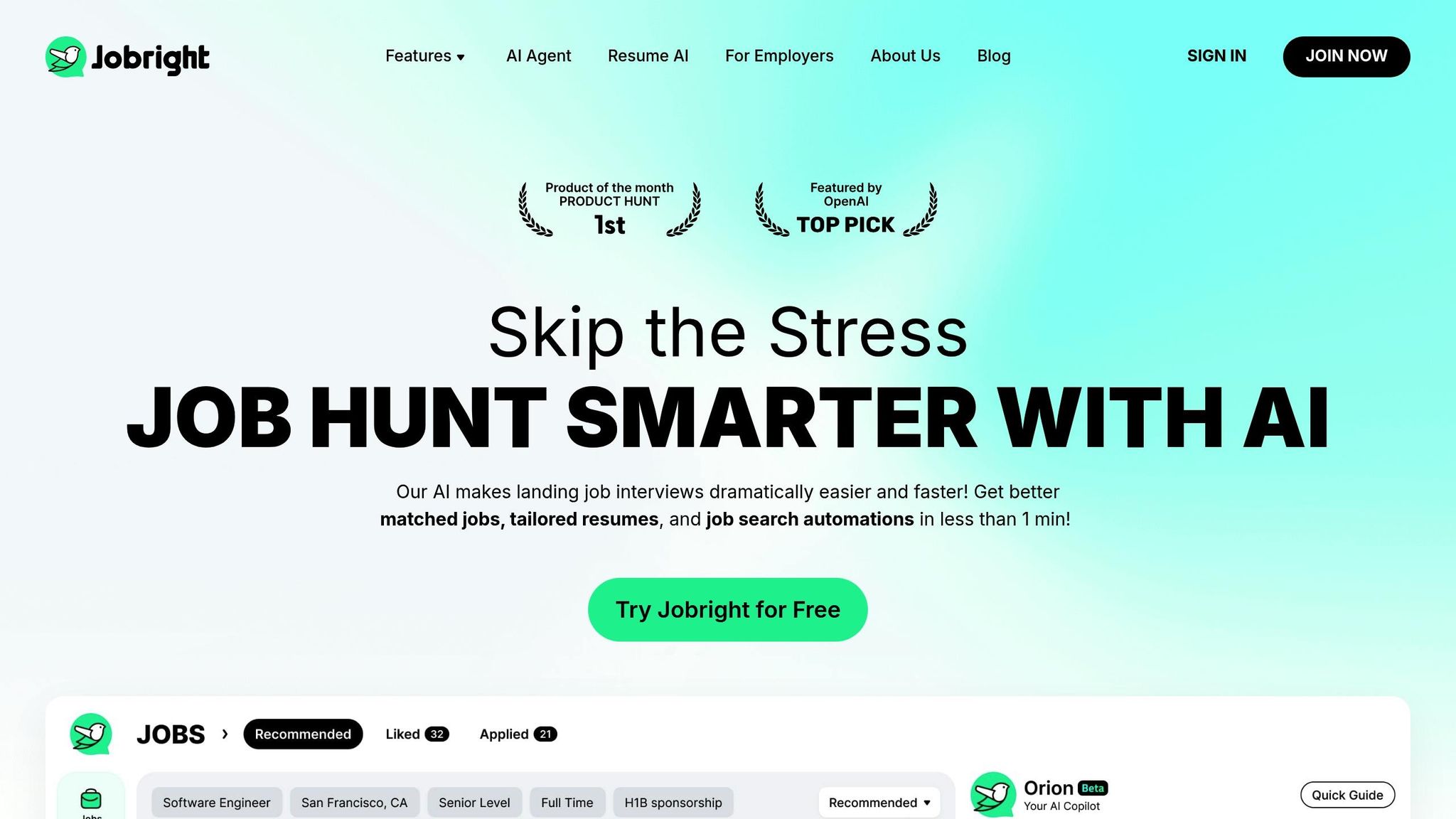
Jobright positions itself as an AI-powered job search assistant designed to simplify the application process through automation and personalized job matching. However, without verified data on its performance, feature set, or pricing, it’s tough to measure how it stacks up against more established services like scale.jobs, which emphasizes human oversight and transparency.
Effectiveness
Jobright's effectiveness in helping users secure interviews or job offers remains unclear due to the absence of verified metrics.
While it relies on automation to match candidates with opportunities, there’s no evidence to suggest its algorithms can account for nuanced factors like company culture or long-term career alignment. On the other hand, scale.jobs takes a more hands-on approach by assigning each user a dedicated human assistant who carefully reviews every application to ensure it aligns with their career goals.
Control and Risk
Jobright doesn’t provide clear details about how much control users have over the application process. This lack of transparency could mean candidates don’t get the chance to review or refine applications before they’re submitted, potentially leading to mismatches between their qualifications and the roles applied for.
In contrast, scale.jobs allows users to communicate directly with their assigned assistant via WhatsApp. This real-time interaction lets users share preferences, flag companies they’d like to avoid, and tweak their application strategy on the fly, ensuring each submission is thoughtfully tailored.
ATS Optimization
There’s no information available on whether Jobright optimizes resumes to pass Applicant Tracking Systems (ATS). This makes it difficult to evaluate how well the platform prepares applications for both automated screening and eventual human review.
By comparison, scale.jobs combines human expertise with proven formatting techniques to ensure resumes meet ATS requirements. Assistants adjust headers, reformat dates and job titles, and highlight key qualifications to ensure applications are both ATS-friendly and appealing to hiring managers.
Pricing and Value
Jobright’s pricing structure is not disclosed, leaving potential users in the dark about whether its services offer a good return on investment.
On the flip side, scale.jobs uses a transparent one-time payment model. Users pay upfront for a set number of applications, and if they land a job before using all their credits, they’re refunded for the unused portion. This straightforward approach eliminates recurring fees and unexpected charges.
Here’s why scale.jobs offers better value compared to Jobright:
- Human review for every application: Dedicated assistants ensure quality over quantity.
- Full transparency: Time-stamped screenshots confirm every submission, so you’re always informed.
- Career-focused strategy: Applications are tailored to align with your long-term goals.
- Real-time WhatsApp support: Instant communication allows for quick adjustments.
- Pay-for-what-you-use model: You only pay for the applications that are submitted.
Next, we’ll see how Jobright compares to JobCopilot, further emphasizing the advantages of human-driven precision over automated solutions.
7. JobCopilot
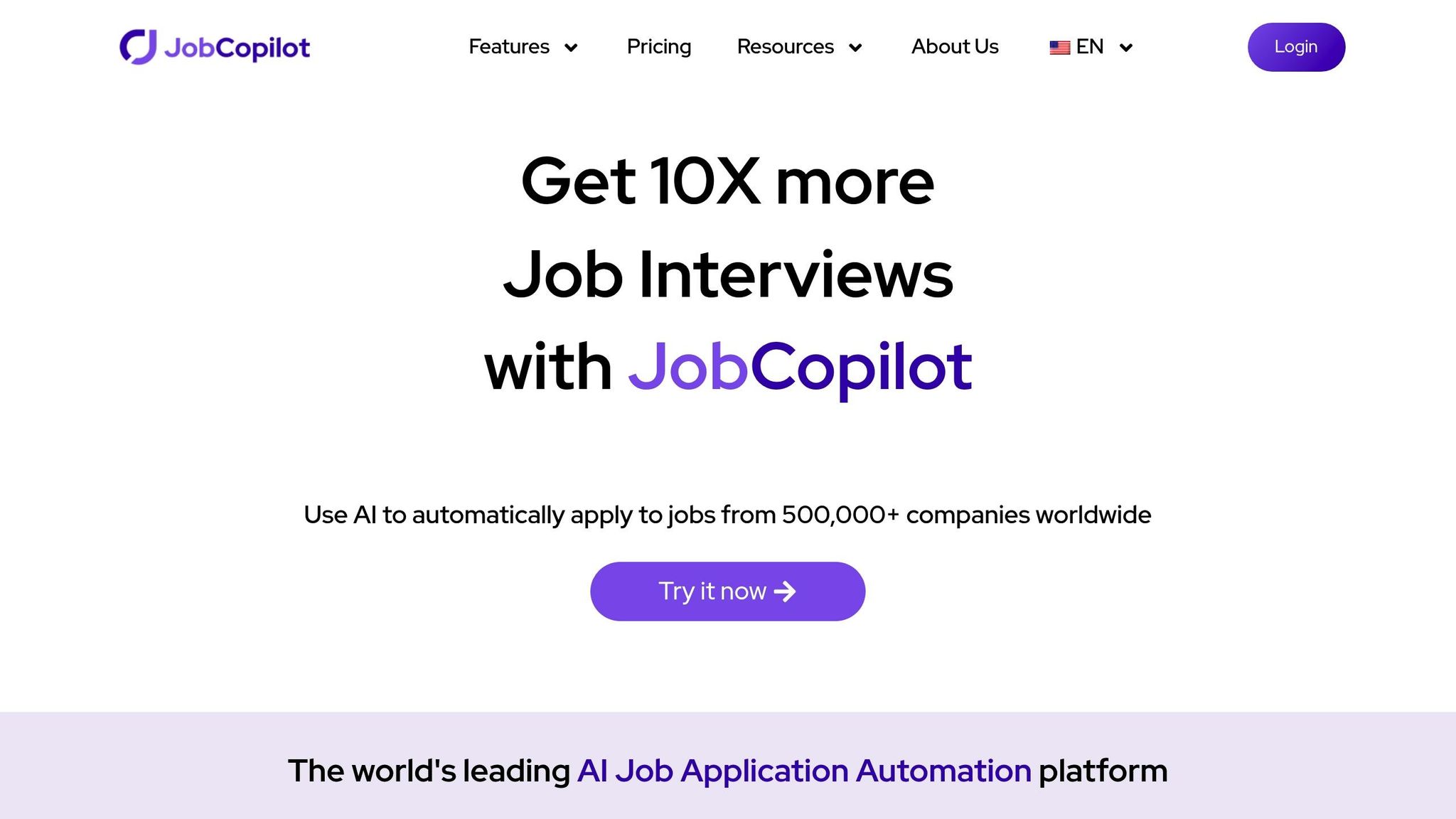
JobCopilot leverages AI to search and apply for jobs, scanning over 300,000 company career pages every two hours to find roles that match your criteria. While it excels in sheer volume, it lacks the personal touch offered by human-driven services like scale.jobs.
Effectiveness
JobCopilot can handle up to 50 applications daily, focusing on official company career pages rather than just popular job boards. Reviews highlight its strength in high-volume applications but point out a major drawback: limited personalization. This makes it ideal for entry-level roles where a numbers game can increase interview chances. However, for mid-level or senior positions, the lack of tailored applications becomes a noticeable shortcoming.
The platform uses AI to tweak resumes by adding keywords from job descriptions, but this automated approach often misses the nuanced judgment that comes with human involvement. On the other hand, scale.jobs assigns a personal assistant who carefully evaluates each opportunity, aligning it with your skills, career goals, and long-term aspirations. Instead of mass submissions, they focus on quality applications that truly resonate with your professional path.
Control and Risk
JobCopilot gives users control with detailed filters for job title, location, seniority, salary, and keywords. Once you upload your resume and answer screening questions, the platform reuses and adapts this information for multiple applications. However, this semi-automated system can lead to errors that scale across applications, such as mismatched answers or awkward phrasing. For U.S. job seekers, where many employers scrutinize mass applications, these mistakes could harm your reputation.
scale.jobs avoids these pitfalls by offering direct communication with your dedicated assistant via WhatsApp. This hands-on approach allows you to fine-tune your strategy, avoid specific companies, and ensure every application reflects your professional voice.
ATS Optimization
JobCopilot includes an AI-powered resume builder aimed at improving ATS (Applicant Tracking System) compatibility by restructuring content and adding keywords found in job descriptions. However, the tool's effectiveness depends heavily on the quality of your original resume and the AI's ability to insert keywords appropriately. Without human oversight, there’s a risk of keyword mismatches or overstuffing, which can hurt your chances.
In contrast, scale.jobs takes a more precise approach. Your assistant restructures your resume to meet ATS requirements while ensuring it appeals to hiring managers. This includes proper formatting, adjusting headers and dates, and balancing keywords for both automated systems and human reviewers.
Pricing and Value
JobCopilot operates on a subscription model, likely costing $20–$40 per month for continuous auto-apply access. It prioritizes high-volume applications, which may suit heavy users targeting multiple cities or remote roles. However, for light users or those seeking a more strategic approach, scale.jobs offers better value.
Here’s why scale.jobs stands out:
- Personalized quality over automated quantity: Each application is carefully crafted by a human assistant to ensure a strategic fit, not just keyword alignment.
- Transparent proof of work: Time-stamped screenshots confirm exactly where and when applications are submitted.
- One-time payment model: Pay upfront for a set number of applications, with refunds for unused credits if you land a job early - no recurring fees.
- Real-time support: Direct communication with your assistant allows you to adapt your strategy based on feedback or changing priorities.
- Career-aligned focus: Applications are tailored to your long-term goals, not just immediate job titles.
Next, we’ll explore Careerflow and how it measures up to both automated tools and human-powered services in helping job seekers stand out in today’s competitive market.
8. Careerflow

There isn’t much publicly available information about Careerflow’s auto-apply feature, job tracking, or resume optimization tools. Without verified user feedback, it’s tough to determine how effective or reliable these features are.
On the other hand, scale.jobs brings some clear benefits to the table:
- Personalized Support: Each application is handled by dedicated assistants who customize it to fit the role.
- Balanced Approach: Combines automation with human oversight, ensuring applications are both ATS-friendly and easy to read.
- Transparency: Offers direct communication via WhatsApp and provides proof of work for accountability.
- One-Time Payment: Avoids the hassle of recurring fees with a straightforward pricing model.
For now, more research is needed to get a better understanding of Careerflow’s strengths and limitations. Up next, we’ll see how AIApply compares to these benchmarks.
9. AIApply
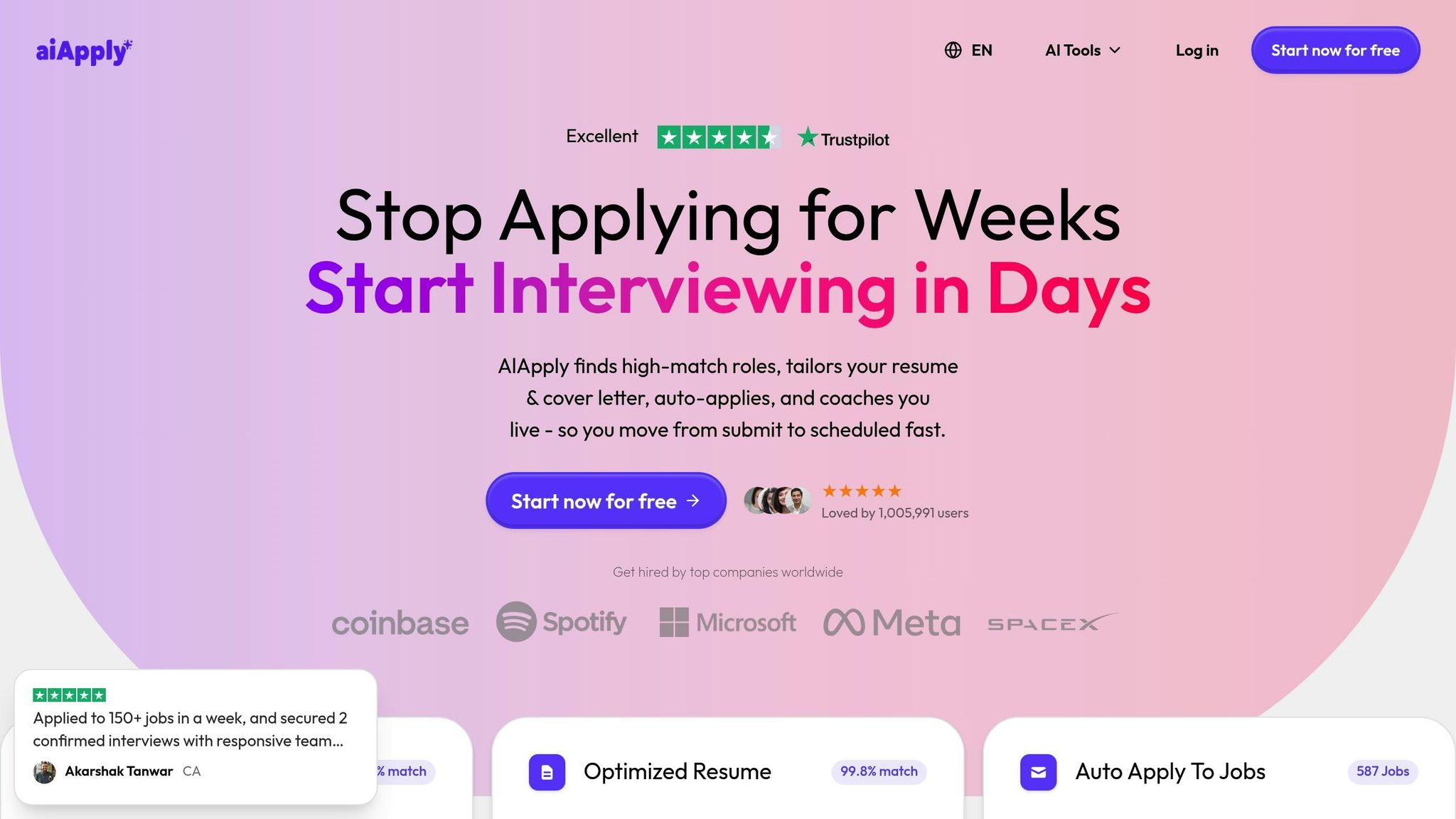
AIApply, like its competitors, is evaluated based on its effectiveness, level of control, ATS (Applicant Tracking System) optimization, and pricing. However, it falls short in several areas. The platform claims to generate cover letters, optimize resumes, and submit applications using AI, but it offers little in the way of performance details to back up these claims.
Effectiveness
AIApply promises AI-driven application tools but provides no concrete data on its success rates. There’s no verified evidence of users landing interviews or securing jobs through the platform. Without user testimonials or measurable performance metrics, it’s hard to determine if the tool truly delivers.
While AI can save time by automating content creation, the trade-off often comes in the form of reduced quality and personalization. This is where AIApply struggles to compete with platforms like scale.jobs, which provide clear, performance-backed results.
Control and Risk
Using AIApply means giving up a degree of control over how your application represents you. AI algorithms may fail to accurately capture your unique skills, experiences, and career story. This can result in generic or even inaccurate content that doesn’t align with what hiring managers are looking for. Worse yet, errors or irrelevant details might slip through unnoticed before submission.
scale.jobs takes a more hands-on approach by blending technology with human expertise:
- Human Oversight: Every application is reviewed and tailored by real professionals to ensure it aligns with your qualifications and career goals.
- Quality Control: Each document undergoes a thorough review process to catch and fix mistakes before submission.
- Real-Time Adjustments: With WhatsApp support, you can quickly refine applications and address issues on the spot.
- Transparency: You’re provided with documentation showing exactly what was submitted, giving you full visibility into the process.
ATS Optimization
AIApply claims to be ATS-compatible, but it doesn’t explain how it optimizes applications for these systems. Many AI tools struggle with ATS requirements, especially when it comes to complex formatting or accurately matching keywords from job descriptions. Without clear testing methods or success rates, it’s hard to trust that AIApply can navigate the varied and often unpredictable nature of ATS algorithms.
scale.jobs, on the other hand, excels in this area by combining human insight with technical know-how. Their human assistants understand how to craft applications that not only pass ATS filters but also appeal to the recruiters who read them afterward. This dual focus ensures your application is effective at every stage of the process.
Pricing and Value
AIApply’s pricing structure is not clearly outlined on its website, making it difficult to assess its value. Ambiguity around costs could lead to unexpected charges or subscriptions.
In contrast, scale.jobs offers a transparent pricing model with one-time payment options. There are no hidden fees or recurring charges, so you know exactly what you’re paying for. Combined with their personalized human support, this approach provides better overall value for job seekers who want reliable results instead of just automated outputs.
Ultimately, the choice comes down to what you’re looking for in an application tool. AIApply might appeal to those eager to experiment with AI, but its lack of verifiable results and unclear information makes it a risky option. For those seeking a more dependable service, scale.jobs offers a proven blend of technology and human expertise to help you stand out in the job market.
10. Smart Applier
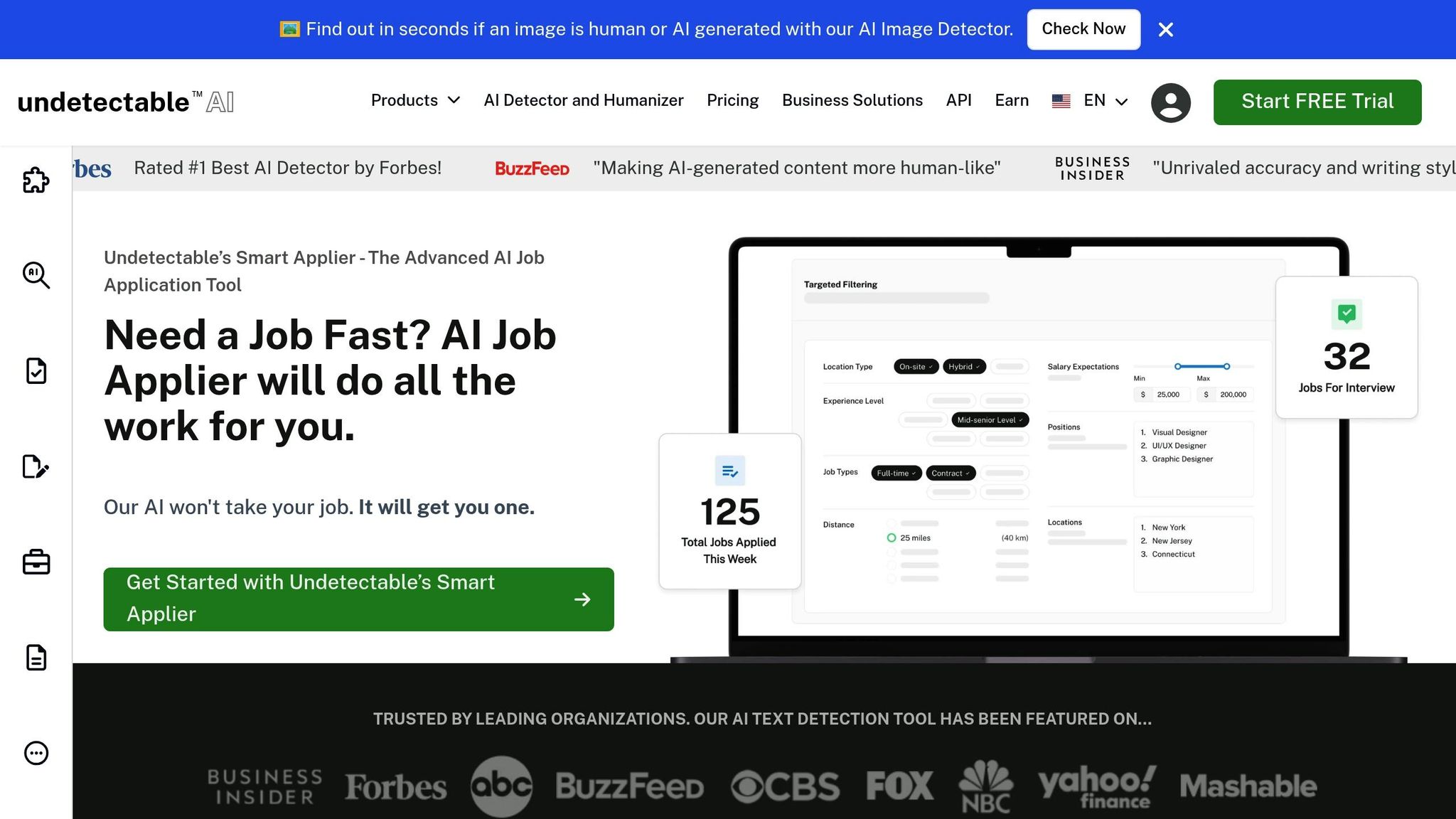
Smart Applier is an AI-driven tool designed to take the hassle out of job applications. Once you’ve uploaded your resume, defined your target roles and locations, and answered a set of common screening questions, the platform takes over. It searches for relevant job openings, auto-fills application forms, and submits applications on your behalf. Essentially, it’s a one-time setup that allows you to apply to multiple jobs without lifting a finger.
The idea behind Smart Applier is to save time by dramatically increasing the number of applications submitted each week. For job seekers in the U.S., the platform focuses on U.S.-based job boards and corporate career pages. It’s tailored to handle common fields like work authorization and relocation preferences, while also supporting U.S. date and phone formats. With this tool, you could go from applying to 5–10 jobs a day manually to submitting dozens automatically. But there’s a trade-off: the emphasis on quantity often comes at the expense of quality. This can lead to poorly aligned applications, fewer interviews, and limited transparency into the process. Let’s take a closer look at how Smart Applier’s high-volume approach stacks up against the more precise method used by scale.jobs.
Effectiveness
Smart Applier doesn’t provide much concrete data on success rates - there’s no verified proof that users are landing interviews or jobs through the platform. Like many AI tools, its focus on volume can backfire. Industry advice consistently highlights that sending hundreds of generic applications is far less effective than sending a smaller number of well-targeted, customized ones.
Users who see better results with Smart Applier tend to narrow their filters to focus on roles that closely align with their skills and experience. They also take the time to tweak reusable answers and regularly refine their job targets. The tool works best for entry- and mid-level positions in fields like tech, marketing, sales, operations, and corporate functions - industries where applicant tracking systems (ATS) and keyword matching are the norm. However, for senior or niche roles that require networking and tailored outreach, the benefits are much more limited.
By contrast, scale.jobs takes a completely different route. Their team of career professionals identifies roles that genuinely suit your skills, customizes every application to showcase your strengths, and provides proof of their work. This focus on quality over quantity tends to deliver a much higher rate of interviews.
Control and Risk
Like other AI-powered auto-apply tools, Smart Applier gives you some control through filters. You can set preferences for job title, location, salary, seniority level, and whether the role is remote or on-site. Many platforms also let you limit the number of applications submitted daily or weekly, exclude specific companies or job titles, and even manually review applications before they’re sent. You can pause or disable the auto-apply function at any time.
That said, there are risks. If your filters are too broad, the tool might apply to roles that don’t align with your goals. It may also submit generic or slightly off-target answers, or even apply to companies you’d rather approach manually. Sending multiple low-fit applications could harm your professional reputation. For U.S.-based users, it’s especially important to double-check responses related to work authorization, diversity disclosures, and relocation preferences to avoid potential legal or trust issues. Additionally, some job boards or employer sites may have terms that prohibit automated applications, so it’s worth being cautious.
In comparison, scale.jobs mitigates these risks by involving real professionals who manually review and refine each application. They also provide direct WhatsApp support for real-time adjustments, carefully select companies to avoid scattershot approaches, and offer full transparency with detailed documentation of every submission. This ensures that the focus remains on quality, not just quantity.
ATS Optimization
Smart Applier uses AI to analyze job descriptions and match them with your resume by injecting relevant keywords. This helps your application make it past ATS filters. However, relying solely on AI for keyword optimization has its limitations. While it might improve your chances of getting through automated systems, it can’t replace human judgment when it comes to crafting compelling, well-rounded documents. It also won’t fix gaps in skills or eligibility.
On the other hand, scale.jobs combines technical expertise with human insight. Their approach includes formatting documents to appeal to both ATS algorithms and human recruiters, strategically integrating keywords, and continuously refining applications based on feedback. Instead of relying on static templates, they tailor each submission to maximize its impact.
Pricing and Value
Smart Applier operates on a subscription model, but its pricing isn’t clearly outlined, and there’s no verified data to measure its success. Submitting 500 generic applications that don’t lead to interviews isn’t exactly a good return on investment. A more targeted approach - like sending 50 well-crafted applications that result in multiple interviews - is far more valuable.
With scale.jobs, you pay a transparent, one-time fee with no hidden costs or recurring charges. This price includes personalized support from real career professionals, not just access to software. Their service is designed to create meaningful opportunities by focusing on quality applications, rather than simply increasing the quantity of submissions.
Pros and Cons Summary
After evaluating ten different auto job application tools, it's clear that each offers a unique way to simplify your job search. Some focus on submitting applications in bulk, while others emphasize tailoring each submission for better results. Knowing these differences can help you pick the tool that aligns with your career goals.
The tools generally fall into two categories: high-volume automation and personalized quality. Platforms like LazyApply, LoopCV, Sonara, and Smart Applier focus on submitting large numbers of applications quickly. While this can increase your reach, the lack of customization often results in generic submissions that may not stand out to hiring managers. On the other hand, tools like scale.jobs prioritize quality over quantity by using human oversight to tailor each application to the specific job and company.
When it comes to effectiveness, many AI-driven tools lack clear performance data. Unlike these, scale.jobs uses human expertise to craft customized applications and provides proof-of-work documentation for every submission. They also offer direct support to keep you informed throughout the process.
Control over your job search is another important factor. Automated tools often allow you to filter by job title, location, salary, and seniority. However, overly broad filters can lead to mismatches, while overly narrow ones might limit your opportunities. scale.jobs addresses this with professional reviewers who manually assess each opportunity to ensure it aligns with your goals.
Another key aspect is ATS (Applicant Tracking System) optimization. While many tools claim to improve your chances of passing automated filters through keyword and formatting tweaks, they can't compensate for weak qualifications or poorly described experience. AI tools often rely on generic templates, but scale.jobs combines ATS expertise with human judgment to create applications that appeal to both algorithms and recruiters.
Pricing is another area where tools vary widely. Most AI platforms operate on subscription models, costing anywhere from $29 to $199 per month, which can add up quickly if results are slow. Some tools charge per application or offer tiered plans based on volume. scale.jobs stands out with a transparent, one-time fee structure: $199 for 250 applications, $299 for 500, $399 for 1,000, and $1,099 for their Ultimate Bundle, which includes recruiter support. There are no hidden fees, auto-renewals, or surprises, and any unused credits are refunded.
Here’s a quick comparison of the tools discussed:
| Tool | Strengths | Weaknesses | Best For | Pricing |
|---|---|---|---|---|
| scale.jobs | Human-reviewed applications, ATS-optimized documents, proof-of-work, real-time support | Higher upfront cost; slower application volume | Quality-focused job seekers targeting specific roles | $199–$1,099 (one-time fee) |
| LazyApply | High-volume submissions, supports multiple job boards | Generic applications, no success metrics, limited customization | Entry-level candidates aiming for volume | $129–$249/month |
| LoopCV | Automated job matching, application tracking | Inconsistent quality, no human oversight | Hands-off job seekers comfortable with automation | $49–$99/month |
| Sonara | AI-driven job matching, simple interface | Generic cover letters, no verified success rates | Passive job seekers | $79–$149/month |
| Simplify | Quick applications via browser extension, free tier available | Requires manual effort, minimal automation | DIY job seekers needing light assistance | Free–$29/month |
| Jobright | Resume optimization, interview prep, career coaching | Expensive for full features, limited automation | Comprehensive career support seekers | $99–$199/month |
| JobCopilot | Moderate volume, some customization | Subscription-based, generic submissions | Mid-level professionals | $69–$129/month |
| Careerflow | Job tracking tools, LinkedIn optimization, free plan | Basic automation, limited ATS support | Organized job seekers | Free–$49/month |
| AIApply | AI-generated cover letters, resume tailoring | No human review, generic outputs | Tech-savvy users comfortable editing AI drafts | $39–$89/month |
| Smart Applier | High-volume submissions, easy setup | Mismatched applications, no verified success rates | Volume-focused job seekers | Pricing not disclosed |
The choice ultimately depends on your job search strategy. If you're looking to submit as many applications as possible, AI-powered tools might be enough. But if your goal is to secure interviews and job offers, focusing on quality and personalization is essential.
scale.jobs stands out for several reasons:
- Applications are reviewed and customized by trained professionals.
- ATS-optimized documents are designed to pass filters and impress recruiters.
- A one-time payment model eliminates recurring fees.
- Proof-of-work screenshots and a detailed dashboard ensure transparency.
- Real-time communication and strategy adjustments through WhatsApp.
While automated tools can be useful, they aren't all created equal. For entry-level job seekers or those applying broadly, AI tools may suffice. However, mid-level or senior professionals targeting specific roles - or dealing with challenges like visa sponsorship - will likely benefit more from the tailored, human-powered approach offered by scale.jobs.
Conclusion
Finding the right auto job application tool means figuring out what truly matters for your job search. If you're new to the workforce and simply want to apply to as many positions as possible, tools like LazyApply or LoopCV might be a quick starting point. These AI-powered platforms can send out hundreds of applications in no time, but they often lack the personal touch - and that can lead to more rejections. As we've seen, automation alone can't replace the value of a well-tailored, human-crafted application, which is why scale.jobs stands out as a better option.
Recruiters consistently favor personalized applications over generic, automated ones. For many U.S. job seekers - especially those aiming for mid-level or senior roles, navigating visa sponsorships, or operating in competitive fields - customized applications deliver better results. Automated submissions, often riddled with errors or lacking specificity, are easy for recruiters to spot and frequently fail to move past initial screenings. This is where a human-driven approach can make all the difference.
scale.jobs has already helped more than 1,500 job seekers by focusing on what works: real human assistants who create custom, ATS-friendly resumes and cover letters tailored to each opportunity. Users report landing jobs within one to three months - much faster than the average five-month search. With a one-time fee, the platform eliminates the burden of recurring subscription costs and includes direct WhatsApp support, ensuring you get hands-on help throughout your job hunt.
This approach also provides flexibility and clarity. You can adapt your strategy based on real feedback instead of relying on algorithmic guesses. For job seekers dealing with challenges like career changes, visa hurdles, employment gaps, or cutthroat industries, having trained professionals manage your applications is both practical and strategic, leading to faster and more meaningful results.
In short, automated tools might work for broad, low-risk job searches. But when your career is on the line, scale.jobs delivers the expertise, accountability, and success rate you need to secure your next role.
FAQs
How does scale.jobs create ATS-friendly applications tailored to specific job postings?
Scale.jobs takes the hassle out of job applications by ensuring your resume and cover letter are ATS-friendly. Their team of skilled professionals customizes each document to align perfectly with the specific job description, increasing your chances of passing Applicant Tracking System (ATS) filters and getting noticed by hiring managers.
What sets Scale.jobs apart is their proof-of-work transparency - you’ll see exactly how your application is tailored for each role. Add to that their one-time payment system and dedicated WhatsApp support, and you’ve got a straightforward, stress-free way to navigate the job application process.
Why is scale.jobs' one-time payment model more cost-effective than subscription-based auto-apply tools?
Scale.jobs takes a refreshing approach with its one-time payment model, helping you avoid the burden of recurring subscription fees. Instead of dealing with monthly or yearly charges that can pile up quickly, you pay once upfront. This gives you full access to their services without the stress of ongoing expenses.
What sets Scale.jobs apart is its human-powered assistance. Unlike automated tools that churn out generic templates, their team ensures your job applications are personalized and optimized for ATS systems. This hands-on approach can make a real difference, offering a more tailored and effective solution for job seekers who are serious about landing their next role.
How does using human assistants at scale.jobs lead to better job application success compared to AI-only platforms?
At scale.jobs, human assistants are at the heart of improving job application outcomes. They provide the kind of personalized, expert guidance that AI-driven platforms often miss. These professionals focus on crafting application materials - like resumes and cover letters - that are ATS-friendly and tailored to the specific role, giving you a much better shot at clearing automated screening systems.
What sets scale.jobs apart from AI-only tools is its proof-of-work transparency. You’ll always know exactly what’s being done to strengthen your application. Plus, with a simple one-time payment model and dedicated WhatsApp support, you get real-time updates and personalized advice, making the entire process smoother and less stressful.